
 Login
Login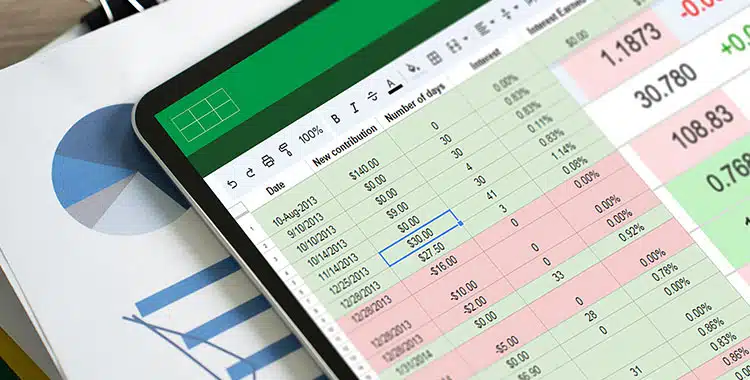
Most nurseries don’t choose spreadsheets as their long-term solution.
They simply grow into them.
A register starts in Excel. Then invoices. Funding calculations. Staff rotas. Before long, dozens of spreadsheets are keeping the nursery running.
At first, it feels organised.
Eventually, though, those spreadsheets become difficult to manage. Different versions are saved in different places, key information is duplicated, and often only one member of staff knows how everything fits together.
It works… until it doesn’t.
And when something goes wrong, it usually happens at the worst possible time. An Ofsted inspection. A funding audit. Or when the person who manages all those spreadsheets leaves.
The Hidden Cost of “Making It Work”

Spreadsheets feel comfortable because they’re familiar.
The challenge isn’t that spreadsheets are bad. It’s that they weren’t designed to manage every part of a growing nursery.
Over time, they can create problems that aren’t always obvious day to day:
- Information spread across multiple files
- The same data entered more than once
- Uncertainty over which version is the latest
- Heavy reliance on one or two members of staff
Individually these issues seem manageable. Together, they create unnecessary admin, increase the risk of mistakes, and make everyday tasks take longer than they should.
For settings handling children’s personal information, record keeping also becomes a compliance consideration. The Information Commissioner’s Office (ICO) expects organisations to keep personal data accurate, secure and appropriately controlled.
Spreadsheets can technically meet these standards, but maintaining that level of control becomes increasingly difficult as a nursery grows.
Why So Many Nurseries Delay Making the Change
If spreadsheets create so many challenges, why do so many nurseries continue using them?
Usually, it isn’t because they’re happy with them.
It’s because changing systems feels risky.
Common concerns include:
- What if we lose our data?
- What if staff struggle to learn something new?
- Will it take too much time?
- What if it disrupts the nursery?
These are all reasonable questions.
The reality is that disruption usually isn’t caused by changing systems.
It’s caused by changing without a clear plan.
What a Successful Transition Looks Like

The smoothest transitions rarely happen overnight.
Instead, successful nurseries take small, manageable steps.
Start with one area
Rather than replacing everything at once, begin with one process that’s causing the biggest headache.
This might be:
- Registers and attendance
- Invoicing and payments
- Staff scheduling
Improving one area first allows staff to build confidence before introducing anything else.
Run both systems together
Many nurseries continue using their spreadsheets for a short period while introducing their new system.
Although this creates some temporary duplication, it gives everyone confidence that nothing has been missed and provides a safety net while new routines become familiar.
Give someone ownership
Successful projects usually have one clear person leading them.
When everyone is responsible, it’s easy for nobody to feel responsible.
Having a single point of contact keeps decisions simple and helps maintain momentum.
Focus training on everyday tasks
Staff don’t need to learn every feature on day one.
They simply need to know how to complete the tasks they do every day:
- Signing children in and out
- Recording observations
- Communicating with parents
- Checking ratios
Confidence grows through regular use, not lengthy training sessions.
The Biggest Change Isn’t Technical
One of the most interesting things about moving away from spreadsheets is that the biggest shift isn’t the software.
It’s the way the nursery operates.
When staff begin noticing they spend less time correcting mistakes, searching for information or checking multiple files, confidence grows naturally.
Digital adoption research consistently shows that people embrace new systems when they genuinely make their work easier, not simply because they’ve been told to use them.
What Changes Once Everything Is in One Place?
Once a nursery has a single system managing day-to-day operations, the benefits extend far beyond saving time.
Managers gain real-time visibility of attendance, staffing and finances.
Everyone works from the same information.
Administrative tasks become simpler because data only needs entering once.
Records become easier to access during inspections or audits.
Most importantly, the nursery becomes less dependent on individual members of staff holding knowledge in their own spreadsheets.
A Simple Question to Ask Yourself
Imagine your most experienced administrator left tomorrow.
Could someone else confidently pick up every spreadsheet and continue running the nursery without needing hours of explanation?
If the answer is no, the issue probably isn’t your staff.
It’s the system supporting them.
Final Thoughts
Moving away from spreadsheets doesn’t have to be a huge project.
The nurseries that do it successfully don’t rush.
They start with one area, build confidence, support their team and make gradual improvements over time.
The result isn’t simply better software.
It’s a nursery that’s easier to manage, less stressful to run and better prepared for future growth.
Sometimes the biggest improvement isn’t adding something new.
It’s replacing the workaround that’s been quietly causing problems for years.

Hannah
Marketing Manager
For further information, or to find out more, please contact us.
Recent articles you might like
How to Choose Nursery Management Software: A Practical Guide for Nursery Owners
Choosing nursery management software is not really about software. It is about gaining control of your nursery. The right system should reduce administration, improve visibility,...
June 29, 2026

What Happens the Week Before Ofsted
(Here’s How Good Nurseries Do It) There’s a clear pattern in how nurseries approach Ofsted. Some operate in a constant state of low-level panic. Documents...
May 27, 2026

The Hidden Risk of Paper-Based Nursery Management
(And How Inspections Expose It)For many nurseries, paper-based systems feel familiar. Comfortable, even.A printed register on the desk. Paper accident forms in a folder. Observations...
May 11, 2026